The UAE Sharia Council participated in the “Crafting a Thoughtful Mufti in the Age of Artificial Intelligence” conference, organized by the General Secretariat for Fatwa Bodies worldwide in Cairo.
The council’s delegation conveyed the greetings of His Excellency Sheikh Abdullah bin Bayyah, the council’s chairman, expressing wishes for the conference’s success and effective outcomes that strengthen the message of moderate religious rulings.
His Excellency highlighted the conference’s crucial role in evolving the fatwa system, emphasizing the need for global cooperation to achieve institutionalized reasoning that promotes moderate and adaptable fatwas, thereby supporting stability, citizenship values, and comprehensive development.
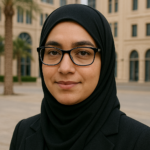
The delegation included His Excellency Dr. Omar Habtoor Al-Derei, Vice Chairman of the Council, Dr. Sabaa Salem Al-Kaabi, appointed Secretary-General, His Excellency Dr. Khalifa Mubarak Al-Dhaheri, and Dr. Ahmad Abdulaziz Al-Haddad, council members.
The team took part in conference sessions and workshops that focused on the dimensions of artificial intelligence and its applications in fatwa creation, as well as aligning technological advancements with religious constants and national considerations.
Dr. Omar Habtoor Al-Derei stressed the importance of fortifying the fatwa system against vulnerabilities and preparing for the challenges posed by AI through institutional approaches that uphold religious constants and prevent the exploitation of fatwas for extremism or ideological purposes, while leveraging technical expertise and establishing secure, reliable databases.
Additionally, Dr. Sabaa Al-Kaabi noted that the conference serves as a vital platform for exchanging experiences on how to utilize AI technologies within institutional fatwa processes, affirming that the digital revolution necessitates a balanced methodology that adapts to developments while maintaining the integrity of the fatwa message.
The council also presented a research paper by Dr. Ahmad Al-Haddad on the qualifications of modern muftis in light of technological transformations, along with a visual presentation of the council’s experience in employing artificial intelligence through its digital fatwa service platform, which offers comprehensive services for receiving inquiries and managing fatwas adhering to high standards of cybersecurity and quality.
The engagement of the UAE Sharia Council reflects its commitment to fostering collaboration with global fatwa institutions and sharing expertise, contributing to the provision of moderate religious rulings that meet contemporary demands and safeguard national interests.