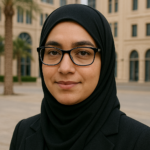
Shihab Ahmad Muhammad Abdul Rahim Al Fahim, the UAE Ambassador to Japan, affirmed the UAE’s dedication to establishing and strengthening friendship ties with countries around the globe. He emphasized the nation’s commitment to actively participate in international events to showcase its rich culture and historical heritage.
He noted that the UAE pavilion at the recent “Expo Osaka 2025,” which concluded on October 13, was one of the most prominent and distinguished exhibits.
The pavilion attracted over 5 million visitors, making up 20% of the total 25 million attendees at the expo. This achievement reflects the cultural and historical content presented, embodying the UAE’s values of openness and tolerance on both regional and global levels.
In an interview with “Al-Bayan” following the expo’s conclusion, he highlighted how the event bolstered the UAE’s global standing, as it impressed participating countries and organizers with its advanced model of cultural heritage promotion.
This success contributed to the UAE pavilion receiving numerous awards, and he mentioned that preparations are already underway for the “Expo Riyadh 2030.”
Here is the interview text:
Can you tell us about “Expo Osaka 2025” and the significance of the UAE’s participation?
Our initial participation in expos in Japan dates back to 1970, representing the Emirate of Abu Dhabi before the union. This participation was initiated under the guidance of the late Sheikh Zayed bin Sultan Al Nahyan, who recognized the importance of having a presence at such global platforms to introduce the world to our heritage and aspirations.
Now, over five decades later, we return to Japan for “Expo Osaka 2025” carrying a great legacy and rich experience, especially after the tremendous success we achieved at “Expo Dubai 2020.”
How would you describe the success of the UAE pavilion at “Expo Osaka 2025” in terms of impact and visitor numbers?
Thank God, the UAE pavilion was among the most successful, welcoming over 5 million visitors, including 4.93 million who entered the pavilion halls and 110,000 who visited outreach locations, along with 17,000 virtual visitors.
This represents the highest visitor count among the participating countries, a milestone we are all proud of, reflecting the appeal of the UAE’s narrative and its presentation through outstanding architectural design and interactive experiences offered by our team.
What contributed to the UAE pavilion’s significant attraction among visitors?
The success lies in the narrative shared by the pavilion and the engaging interaction between visitors and the Emirati youth who passionately shared the stories reflecting the positive image of the UAE. The architectural design also captivated attendees from the very beginning, and upon entering, visitors found themselves on a journey exploring both the past and the future.
Our UAE pavilion focused on three main themes: space, sustainability, and healthcare, showcasing inspiring stories about Emirati achievements. The interaction between our youth and the Japanese participants was a beautiful sight, as our youth enthusiastically explained details of the pavilion, attracting some visitors to return over thirty times.
Who are the “Youth Ambassadors” you mentioned, and what role did they play during the expo?
The “Youth Ambassadors” program was a significant initiative that contributed to the success of the UAE pavilion at “Expo Osaka 2025.” We selected 24 young men and women from the UAE, alongside 24 from Japan, out of more than 4,000 applicants. These individuals served as the face of the UAE at the expo, having undergone intensive training to best represent the spirit and culture of the country.
Most of the Emirati participants were Japanese language learners or graduates from Japanese universities, while the Japanese participants visited the UAE prior to the expo to experience our culture and traditions.
This exchange helped convey the goals of our participation, as they shared their knowledge of the UAE when welcoming visitors to the pavilion, creating a deeper and more impactful experience.
Did the pavilion receive any awards or recognitions following the conclusion of the expo?
Yes, indeed. The UAE pavilion received several prestigious awards, including the Best Staff Award, which recognized the exceptional hospitality shown by our youth.
Our pavilion was also ranked among the top three large pavilions for sustainable design, celebrated for its innovative architectural ideas that employed eco-friendly materials and modern technologies.
It’s clear sustainability was a key focus in the pavilion’s design. Could you elaborate on this?
Sustainability was more than just a concept; it was integral to the pavilion’s structure. We utilized over two million pieces of “reed” in the internal columns, with carpets made from “jute,” and the edges and decorations crafted from palm waste.
The external materials, resembling concrete, were a special type called “deTaqrit,” also made from palm. Furthermore, we incorporated “Date Form,” derived from date palms in some sections. All these details reflect the UAE’s deep commitment to sustainability, aligning perfectly with the expo’s theme of designing future communities.
What elements drew the attention of Japanese visitors to the UAE pavilion?
Many aspects impressed them, but the most striking was the blend of tradition and innovation. For instance, we showcased models of the “Hope Probe” and “KhalifaSat,” crafted from palm fronds, which astonished visitors upon learning we have actually launched these spacecraft.
The UAE restaurant within the pavilion, the first of its kind in Japan, was also a significant attraction, alongside the heritage shop “Al-Dukkan,” which offered culturally authentic Emirati products.
From your experience in Japan, what key lessons or insights have you gained that will influence future UAE participations?
Japan is a country rich in experiences across various domains, and we have gained valuable knowledge from our time at the expo. One key takeaway was their attention to the small details that enhance the overall visitor experience.
During “Expo Osaka,” we collaborated with Japanese companies to recycle the wood used in the pavilion’s construction in an innovative manner, organizing the materials for cleaning and shipping sustainably.
What about the UAE’s preparations for the “Expo Riyadh 2030”? Is there early coordination or collaboration between you and the Emirati teams who will be present in the Kingdom?
Absolutely. We congratulate the Kingdom of Saudi Arabia on hosting “Expo 2030” in Riyadh, and we are confident that the event will be one of the largest and most significant in its history.
Our upcoming participation in “Expo Riyadh 2030” carries a symbolic significance as it is held in a country with which we share longstanding relationships and brotherhood. Work is already underway to establish the architectural and conceptual framework for the new pavilion.
Once again, we will focus on presenting the UAE’s future image rooted in innovation, humanity, and sustainability, building on the continuous successes achieved throughout the previous expo editions.
There has indeed been continuous coordination and exchange of experiences, particularly following “Expo Dubai 2020” and “Expo Osaka 2025.” Our participation in “Expo Riyadh” will undoubtedly be special, and we aim to present a model worthy of our nation’s status in the region and the world.
How do you assess the impact of this participation in enhancing the UAE’s image abroad, especially among the Japanese audience?
The influence of these participations is profound. The Japanese are known for their love of exploration and learning, and they found in the UAE pavilion a wealth of knowledge and culture.
At “Expo Osaka,” visitor numbers reached 25 million, including over 5 million who specifically visited the UAE Pavilion, accounting for over 20% of the total. Japanese visitors constituted the majority, making up 90% of those who visited the UAE pavilion.
This figure reflects their interest in our nation and the forward-thinking, humanistic ideas we present. We take pride in having showcased the UAE in the best light, as a country that harmonizes tradition and ambition, always striving toward the future.
In conclusion, what message would you like to convey following this tremendous success and looking towards future participations?
My message is one of pride and gratitude. In the UAE, we work with a spirit of teamwork, and our successes are a result of the visionary leadership that believes in the potential of Emirati individuals.
Our participation in “Expo Osaka 2025” was an inspiring national experience, and we look forward to continuing this excellence at “Expo Riyadh 2030.”
Personally, I feel immense happiness representing the nation as Ambassador and Commissioner General of the UAE Pavilion in Japan, which is both an honor and a responsibility. We seek divine assistance in everything we do to elevate the name of the UAE.
Shihab Al Fahim:
The country is committed to actively participating in international events to showcase its culture.
The blend of tradition and innovation was key to attracting visitors to the pavilion.
Ranked among the top three large pavilions for sustainable design.