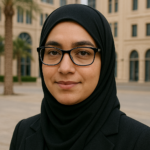
Dr. Abdullah Al Mandoos, President of the World Meteorological Organization (WMO) and Director General of the National Center of Meteorology in the UAE, chaired an extraordinary session of the World Meteorological Congress held at the organization’s headquarters in Geneva. This session was attended by António Guterres, the United Nations Secretary-General, as well as presidents of the WMO’s regional associations and several high-ranking officials from the UN system.
Focus of the Session
The session was part of the WMO’s preparations for upcoming meetings aimed at strengthening coordination among member states and effectively advancing the organization’s initiatives. It highlighted the urgency of implementing the initiative “Early Warning for All” and enhancing strategic collaboration among UN agencies. The goal is to ensure that every individual on the planet has access to life-saving early warning systems by 2027.
Key Remarks
In his opening speech, Dr. Al Mandoos emphasized that the session marks a crucial point in the global climate action agenda and reflects a collective commitment towards realizing the UN Secretary-General’s vision for protecting humanity through early warning systems. He reiterated that the WMO and its members are fully committed to supporting this ambitious vision. He pointed out that the “Early Warning for All” initiative serves as a strategic pillar for strengthening global resilience to climate change and is vital for fostering global peace, progress, and security.
Strategic Recommendations
Dr. Al Mandoos called for a shift from irregular collaboration to formal strategic cohesion across the entire UN system. He proposed strengthening the institutional relationship between the WMO and the UN Economic and Social Council to integrate the WMO’s activities related to weather, climate, and water with the UN’s Sustainable Development Goals.
Strengthening International Cooperation
He stressed the importance of deepening collaboration with specialized international organizations, such as the International Civil Aviation Organization, the International Telecommunication Union, and the International Maritime Organization, to ensure policy alignment and coordination on common priorities.
Commitment to Innovation
Dr. Al Mandoos also highlighted the UAE’s unwavering commitment to supporting scientific innovation in meteorology and climate science. He showcased the achievements of the National Center of Meteorology in advancing radar and seismic monitoring networks, as well as the UAE’s Rain Enhancement Science Program, which has become a global platform for scientific collaboration and knowledge exchange. This initiative plays a significant role in enhancing water security and climate resilience.
Urgent Call to Action
António Guterres remarked that the world benefits from the warnings and guidance that protect communities, save millions of lives, and save billions of dollars annually, thanks to long-term meteorological observations and the scientific precision characteristic of meteorological services. He emphasized that the climate crisis poses an existential threat that requires immediate action and close international cooperation.