The United States has initiated a fresh set of sanctions aimed at a clandestine financial network that facilitates the transfer of billions of dollars for Iran across the globe. This network, often referred to as a “shadow banking” system, enables Iran to evade international regulations, covertly sell its oil, and finance activities that the U.S. perceives as a threat.
On Friday, the U.S. Treasury Department announced sanctions against over 30 individuals and entities. These individuals and organizations are believed to be integral to a network that assists Iran in secretly transferring oil revenues and other funds through countries like the United Arab Emirates (UAE) and Hong Kong.
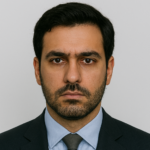
Central to this network are three Iranian siblings: Mansour Zarringhalam, Nasser Zarringhalam, and Fazlolah Zarringhalam. U.S. officials claim that these brothers have employed a variety of businesses and bank accounts to launder Iranian money through the global financial system. They operate exchange businesses in Iran and manage a network of shell companies in the UAE and Hong Kong, aiding Iran in its oil sales and enabling the repatriation of funds.
Fictitious Companies and Tangible Outcomes
Among those now facing sanctions are Ace Petrochem FZE and Moderate General Trading LLC, both incorporated in the UAE. The U.S. alleges that these firms are associated with the National Iranian Tanker Company, which is already subject to U.S. sanctions for its role in transporting Iranian oil. These companies are accused of facilitating Iran in circumventing restrictions by creating the façade of legitimate business activities while obscuring the actual origin and intent of the money.
The Office of Foreign Assets Control (OFAC) of the U.S. Treasury has included these companies on its Specially Designated Nationals (SDN) list. Consequently, any assets they hold in the United States are now frozen, and U.S. individuals and companies are prohibited from engaging in any transactions with them. Being listed significantly impedes these companies’ ability to navigate the global financial landscape.
The Zarringhalam brothers have not been reachable for comments, and their current locations remain uncertain. Additionally, Iran’s mission to the United Nations in New York has not provided a response to inquiries for statements.
According to the Treasury Department, the companies associated with the brothers manage accounts in various currencies—including U.S. dollars, euros, and Chinese yuan—across numerous banks worldwide. These accounts facilitate the movement of funds for Iranian oil transactions, despite international sanctions aiming to block such sales.
The Broader Context of the Sanctions
This new wave of sanctions is part of the U.S. government’s reinvigorated “maximum pressure” strategy against Iran, reinitiated in February. This initiative seeks to prevent Iran from enriching uranium and advancing its nuclear program, while also disrupting financial support for militant groups in the Middle East.
Treasury Secretary Scott Bessent described Iran’s shadow banking network as a “crucial lifeline” for the regime, stating that it enables Iran to receive payment for its oil, transfer funds, and support actions that threaten regional stability.
Discussions between Iran and the United States concerning Iran’s nuclear undertakings remain stalled, primarily due to disagreements surrounding permissible uranium processing levels. Until these negotiations progress, the U.S. is leveraging sanctions as its primary method to restrict Iran’s funding capabilities.
This marks the first instance of U.S. sanctions directly targeting Iran’s shadow banking system since the campaign was renewed earlier this year. By identifying figures such as the Zarringhalam brothers and companies like Ace Petrochem FZE and Moderate General Trading LLC, the U.S. is signaling its intention to persist in monitoring and acting against concealed financial networks that enable Iran to bypass international restrictions.