The Government Accelerator Center, part of the Prime Minister’s Office within the Ministry of Cabinet Affairs, has launched a new initiative called “Facilitation of Mosque Construction” in collaboration with the General Authority for Islamic Affairs and Endowments. This initiative aims to foster a more efficient and sustainable approach to mosque building projects, enhancing the speed and fluidity of these endeavors, in line with the UAE government’s commitment to reduce bureaucratic processes.
This accelerator program is designed to involve both local and federal entities as part of a strategic partnership recently established between the center and the authority. Its goal is to minimize bureaucratic hurdles in government operations and simplify the experience for philanthropists wishing to build mosques by reducing the number of required steps and shortening the time frame for project completion, from design to construction.
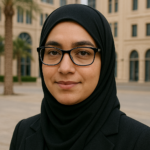
The initiative was launched in the presence of prominent officials, including Huda Al Hashimi, Assistant Minister for Cabinet Affairs; Ahmad Rashid Al Neaidi, Director-General of the General Authority for Islamic Affairs and Endowments; and various municipal directors, emphasizing the collaboration needed to improve mosque development.
Objectives of the Program
Al Hashimi emphasized that the cooperation between federal and local government bodies reflects the visionary leadership’s aspirations and underscores the focus on investing in national capabilities. This collaboration aims to enhance governmental efficiency and flexibility, thereby positively impacting community quality of life.
She stated, “Through this accelerator initiative, we seek to expedite and enhance government efforts in designing an entrepreneurial system that improves the experience of stakeholders, facilitates the mosque construction process for donors, and boosts government efficiency, aligning with national goals and community values of giving.”
Al Neaidi explained that the authority is dedicated to expanding and building mosques in new neighborhoods and densely populated areas, promoting community service through efficient bureaucratic measures. The application process now takes only ten days, with the overall project duration estimated between 16 and 18 months, encompassing stages from planning and design to construction.
He added that these processes are managed through specialized sessions and roundtables where professional discussions about project phases occur. This includes addressing land allocation challenges, design approvals, and other logistics with relevant entities across the Emirates.
Al Neaidi acknowledged the substantial support for places of worship from the leadership, highlighting initiatives that cater to their needs and assist the authority in its operations. He praised the collaboration with the Government Accelerator Center, noting its alignment with mutual goals for community and national service and achieving the UAE government’s vision.
Prior to launching the accelerator initiative, a workshop was conducted to discuss general directions and key areas of focus for the mosque construction challenges, which include improving land readiness, speeding up planning and approval processes, and simplifying infrastructure service procedures.
During this workshop, the accelerator teams outlined ambitious goals and developed innovative solutions to address the challenges posed by the “Facilitation of Mosque Construction” initiative. The new accelerator phase will focus on establishing clear, measurable objectives directly relevant to the challenge, to guide team efforts toward actionable outcomes within a 50-day period.
The teams will also envision an optimal mosque construction system for the coming years, aiming to create a seamless and integrated experience for contributors, utilizing digital solutions while ensuring clarity in roles and fostering collaboration between federal and local agencies. This is intended to lead to a sustainable and transformative approach to mosque building in the country.