Life
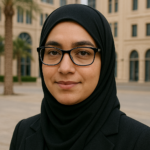
Sevil Dolmacı, the visionary behind Sevil Dolmacı Gallery in Dubai, shares her insights on defining a unique artistic vision, evolving preferences, and the necessity of believing in one’s instincts when it comes to nurturing aspiring artists.
Can you describe your morning routine? What does the first half hour look like?
I rise early each day. On Mondays, Wednesdays, and Fridays, I engage in Pilates at 9 a.m. On Tuesdays and Thursdays, I enjoy a stroll along the waterfront in Bebek. I typically head to the office around noon to attend various meetings.
What fundamental aspects differentiate Sevil Dolmacı Gallery from others?
Sevil Dolmacı Gallery is distinguished as the first venue in the Middle East dedicated to showcasing both American contemporary art and Turkish pieces. Our commitment to supporting emerging artists through a dedicated Digital Section sets us apart, providing essential opportunities for growth and visibility in the art scene.
Sevil Dolmacı, founder of Sevil Dolmacı Gallery
How do your previous roles as a lecturer and consultant influence your current work?
My extensive background in art history has proven invaluable in running the gallery, giving me a competitive edge in the industry. This expertise has enabled us to establish connections rapidly and create a robust network in the art community. By merging profound knowledge with market trends, we foster confidence among international artists, facilitating collaborations that significantly advance the gallery’s development.
What significance does the Middle East hold for Sevil Dolmacı Dubai as your first international location?
The Middle East presents a burgeoning market with a keen interest in art, which was a major factor in our decision. The region’s investments in the art sector and the creation of numerous museums have also played a crucial role. At Sevil Dolmacı Dubai, we currently feature design works by Kengo Kuma and Daniel Weil.
“I find abstract and minimalistic designs particularly appealing. I also enjoy integrating vibrant, popular elements for a compelling contrast.”
How do you identify creatives to collaborate with?
Kengo Kuma, who designed the OMM Museum in Türkiye, matches our artistic vision closely, which was the primary factor for our partnership. I am attracted to abstract and minimalist aesthetics while enjoying the juxtaposition of bright, popular styles. This approach is applicable in both artwork and design collaborations.
What guiding principles do you adhere to in supporting emerging artists and exhibitions?
I appreciate artists educated at esteemed art institutions, as their insights into art and career aspirations are vital. Whenever an exhibition concept resonates with our mission, I offer our gallery space to facilitate it. I actively support significant events like the Venice Biennale and the Istanbul Biennale, which showcase Türkiye’s influence in the global art landscape.
Kigumi table by Kengo Kuma
What’s been crucial in fostering an authentic community around your exhibitions and projects?
My deep passion for art drives my dedication to the field, which resonates with art collectors—leading them to appreciate both my commitment and the knowledge I share.
In your creative ventures, how significant is the commercial aspect?
Effectively managing the business side of art is one of the essential elements that contribute to the narrative of art history. I operate within a well-structured and sustainable model to ensure both longevity in the field and continued success.
What does the future hold for you and your brand?
We are gearing up to participate in Art Dubai with our Digital Section. Additionally, we are organizing a group exhibition at our Istanbul gallery, curated by Robert Fleck, featuring renowned artists—a project that excites us immensely.
This is The Design Issue – which designer or artwork has particularly inspired you?
The project merging the talents of Alessandro Mendini and Peter Halley stands out as a memorable exhibition that united two artists and designers I deeply admire.